Tibbee Talks isn’t just an online magazine — it’s a growing hub of community, inspiration, and opportunity designed to enrich the lives of all generations. Whether you’re a parent looking for positive programs for your kids, a young adult seeking motivation, or a senior wanting to stay connected to your roots, there’s something here for you.
Fighting Back Against Parkinson’s with Rock Steady Boxing
Introduction
Parkinson’s disease, a progressive neurological disorder, affects nearly one million Americans and many more globally. While the condition typically leads to a steady decline in motor function and quality of life, an innovative therapy called Rock Steady Boxing is offering hope and strength to those diagnosed. Originally developed in Indianapolis in 2006, this non-contact boxing program is now a growing movement that is transforming lives.
What is Rock Steady Boxing?
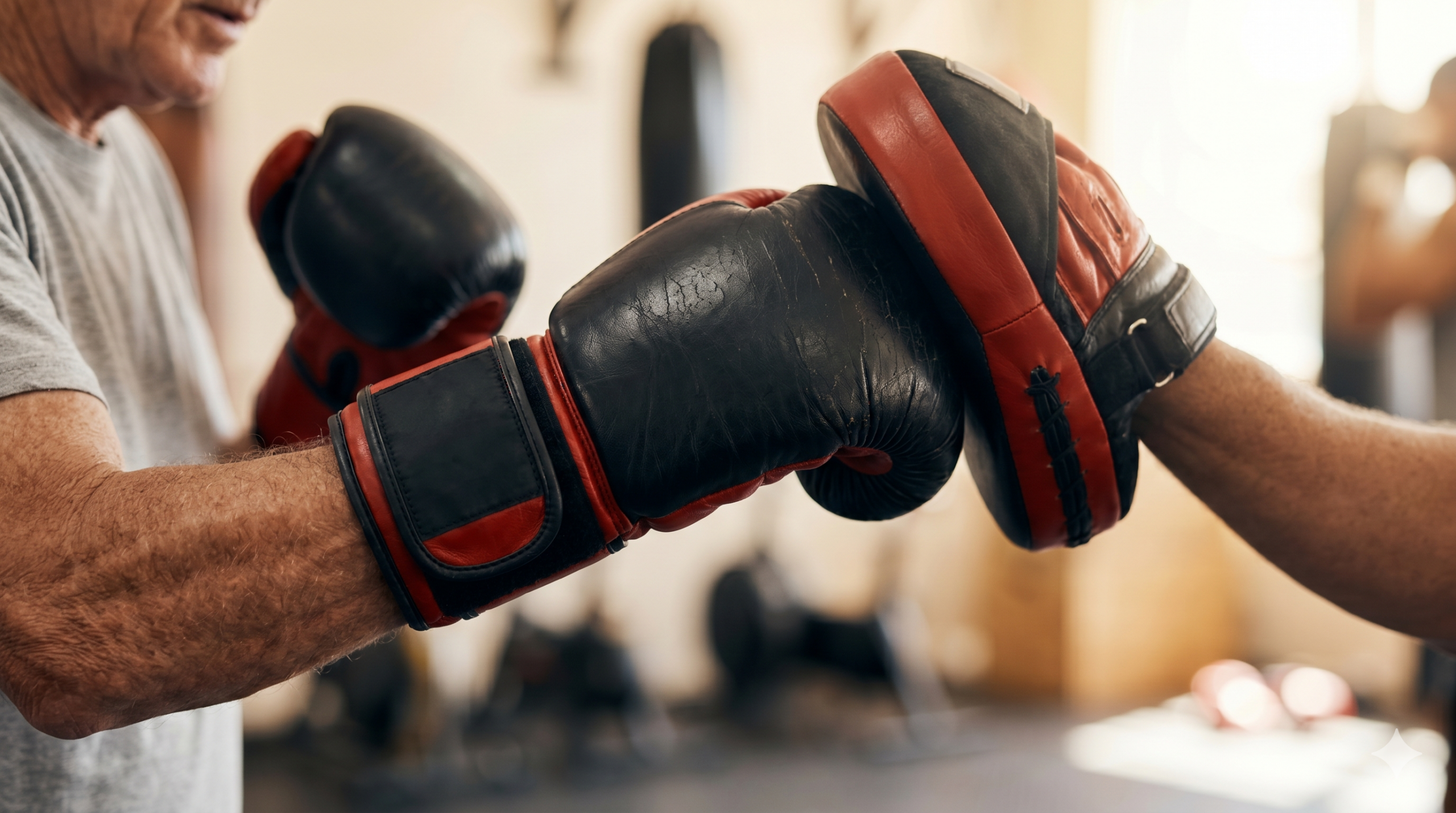
Rock Steady Boxing is a fitness program that uses elements of boxing training to combat the symptoms of Parkinson’s disease. It targets the disease’s hallmark symptoms—tremors, stiffness, balance issues, and voice problems—through specialized exercises:
Crucially, the boxing in this program is non-contact, ensuring safety while maximizing engagement and intensity.
The Science Behind It
Research conducted by Stephanie Combs-Miller at the University of Indianapolis revealed promising results: participants in Rock Steady Boxing over a two-year period showed no disease progression. Some even experienced improvements in motor functions. The theory is that high-intensity exercise boosts dopamine uptake and promotes neuron growth, counteracting the neurodegenerative process of Parkinson’s.
Personal Stories of Transformation
The CBS segment highlights several participants whose lives were profoundly changed:
Aaron Latham, a writer, found renewed physical and mental courage.
Les Mills, once debilitated, regained strength and confidence.
Tom Timberlake, nearly reclusive, became more active than he was before diagnosis.
These stories showcase the power of tailored physical activity, camaraderie, and motivation in managing a chronic illness.
Why It Matters
Rock Steady Boxing is more than just exercise; it’s a source of identity and empowerment. Participants aren’t just patients—they’re fighters. Programs like this redefine what it means to live with Parkinson’s and offer a replicable model for health and community centers worldwide.
Conclusion
Rock Steady Boxing stands as a beacon of hope for those diagnosed with Parkinson’s. It bridges science and compassion, therapy and empowerment. As awareness spreads, this approach could become a standard adjunct therapy for neurological disorders, proving that with the right tools and mindset, people can literally fight back against Parkinson’s.
For more inspiring health insights, visit us at Webics.
From What’s Wrong to What’s Strong — Rethinking Community Development
Introduction
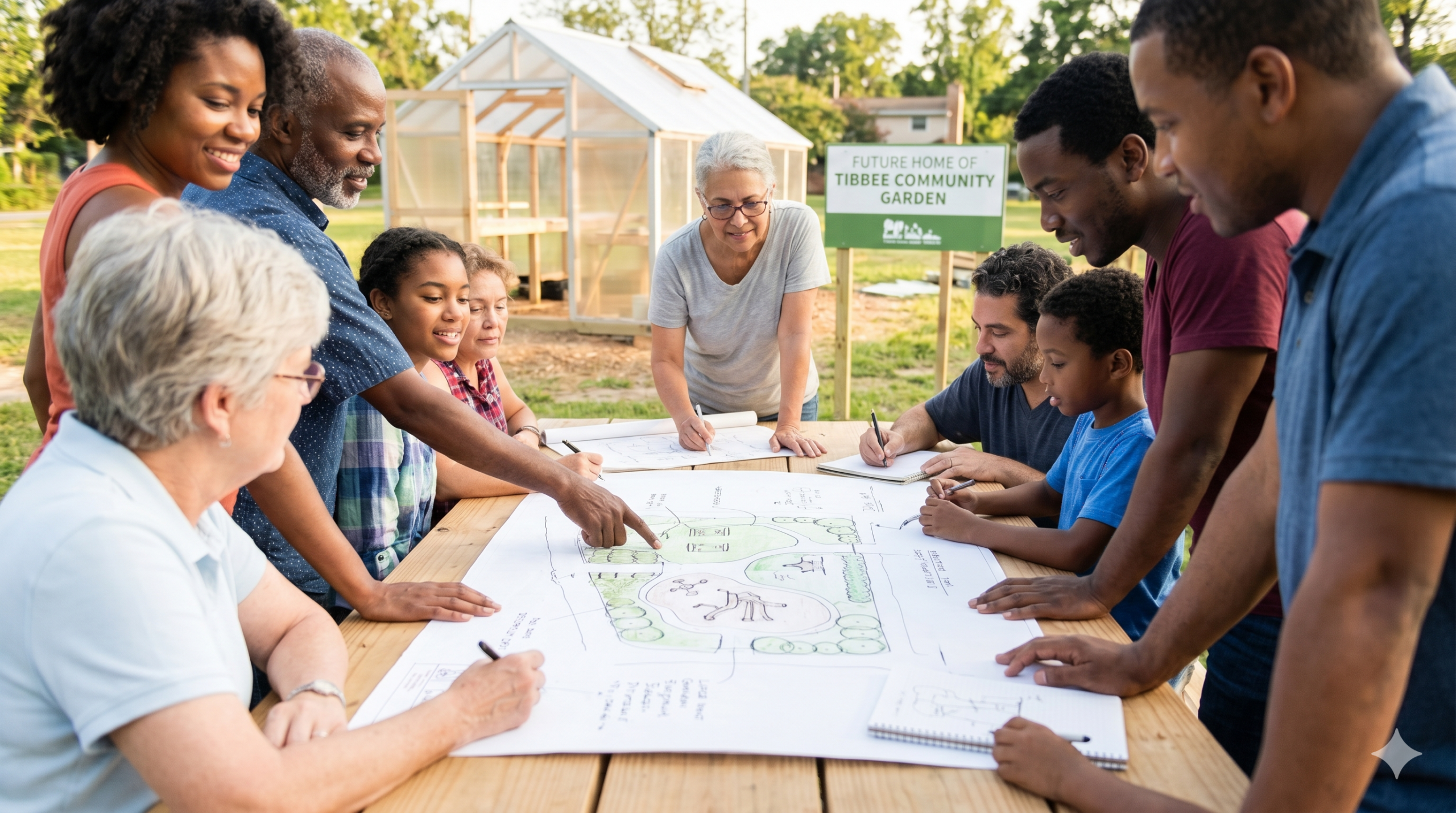
Community development has long been dominated by top-down approaches that focus on problems, deficiencies, and needs. However, in his TEDxExeter talk, Cormac Russell presents a compelling case for a paradigm shift: one that begins with the strengths and assets already present in individuals and communities.
The Problem with Traditional Helping Models
Russell outlines the unintended harms caused by conventional methods of helping:
People are defined by their deficiencies rather than their capacities.
Resources often benefit service providers more than the intended recipients.
Grassroots action is stifled by professional and bureaucratic control.
Communities internalize negative labels, leading to dependency on external solutions.
These models, while well-intentioned, ultimately disempower the very people they aim to support.
Asset-Based Community Development (ABCD)
Inspired by the work of John McKnight and Jody Kretzmann, ABCD focuses on identifying and mobilizing the existing strengths within communities. After conducting over 3,000 interviews in 300 neighborhoods, McKnight and Kretzmann identified six key assets that drive sustainable community change. These include:
Individuals’ talents and skills
Community associations
Institutions
Physical assets
Economic resources
Stories and culture
Real-World Applications
Leeds, UK
In Leeds, community builders trained under Russell’s program have focused on elderly care, especially combating loneliness. Rather than isolating seniors in programs, they are integrated into the heart of community life. The story of Robin, an elderly widower passionate about carving walking sticks, highlights how personal passions can spark communal engagement and purpose.
Wirral, UK
Frank, a community artist in Wirral, tackled environmental degradation by turning a littered beach into a symbol of civic pride—a pirate ship called the Black Pearl. Instead of relying on government clean-up efforts, Frank involved locals in a creative solution, thereby fostering community ownership and involvement.
Kigali, Rwanda
In Kigali, parents and community builders reimagined the role of education by integrating vocational training and community support. They addressed issues like street children and teacher welfare not through traditional policies, but through local collaboration and innovation.
The Philosophy of Mutual Liberation
Russell emphasizes that real change arises from mutual effort. Quoting Aboriginal elder Lilla Watson: “If you’ve come to help me, you’re wasting your time. But if you’ve come because your liberation is bound up with mine, then let us work together.” This sentiment underlines the importance of solidarity, co-creation, and shared ownership in development efforts.
Conclusion
The movement from focusing on “what’s wrong” to “what’s strong” challenges us to rethink how we support communities. It urges professionals, policymakers, and citizens to embrace a more respectful, inclusive, and empowering model of development—one that sees every individual not as a problem to be solved, but as a solution in waiting. By identifying and mobilizing local assets, communities can unlock their full potential and create enduring, meaningful change.
A new report reveals that management consultant salaries at McKinsey, Bain, and BCG will remain flat in 2025, marking the third consecutive year without increases.
Starting salaries for MBA and business master’s graduates entering the management consulting sector have remained flat for the third consecutive year, according to the newly released 2025 Management Consultant Salary Report.
The report, based on Management Consulted data collected from new hires across the consulting industry, marks the third time in the firm’s 17 years of recording management consultant salaries that starting pay has not increased year-on-year.