Eat this, not that. This one food will cure everything. That food is poison. Cut this food out. Try this diet. Don’t eat at these times. Eat this food and you’ll lose weight. With society’s obsession with food, health, and weight, statements like these are all over social media, gyms, and even healthcare offices.
Fighting Back Against Parkinson’s with Rock Steady Boxing
Introduction
Parkinson’s disease, a progressive neurological disorder, affects nearly one million Americans and many more globally. While the condition typically leads to a steady decline in motor function and quality of life, an innovative therapy called Rock Steady Boxing is offering hope and strength to those diagnosed. Originally developed in Indianapolis in 2006, this non-contact boxing program is now a growing movement that is transforming lives.
What is Rock Steady Boxing?
Rock Steady Boxing is a fitness program that uses elements of boxing training to combat the symptoms of Parkinson’s disease. It targets the disease’s hallmark symptoms—tremors, stiffness, balance issues, and voice problems—through specialized exercises:
Crucially, the boxing in this program is non-contact, ensuring safety while maximizing engagement and intensity.
The Science Behind It
Research conducted by Stephanie Combs-Miller at the University of Indianapolis revealed promising results: participants in Rock Steady Boxing over a two-year period showed no disease progression. Some even experienced improvements in motor functions. The theory is that high-intensity exercise boosts dopamine uptake and promotes neuron growth, counteracting the neurodegenerative process of Parkinson’s.
Personal Stories of Transformation
The CBS segment highlights several participants whose lives were profoundly changed:
Aaron Latham, a writer, found renewed physical and mental courage.
Les Mills, once debilitated, regained strength and confidence.
Tom Timberlake, nearly reclusive, became more active than he was before diagnosis.
These stories showcase the power of tailored physical activity, camaraderie, and motivation in managing a chronic illness.
Why It Matters
Rock Steady Boxing is more than just exercise; it’s a source of identity and empowerment. Participants aren’t just patients—they’re fighters. Programs like this redefine what it means to live with Parkinson’s and offer a replicable model for health and community centers worldwide.
Conclusion
Rock Steady Boxing stands as a beacon of hope for those diagnosed with Parkinson’s. It bridges science and compassion, therapy and empowerment. As awareness spreads, this approach could become a standard adjunct therapy for neurological disorders, proving that with the right tools and mindset, people can literally fight back against Parkinson’s.
For more inspiring health insights, visit us at Webics.
Thanksgiving is right around the corner and many families are starting to make preparations for their celebrations. This holiday is a great opportunity to gather with friends and family to share a meal, show gratitude, and enjoy the company of the people we love most. If you are preparing to celebrate the day with your adult parents or grandparents, here are a few Thanksgiving ideas for seniors to make the day enjoyable for everyone.
Rural Americans face numerous health disparities compared with their urban counterparts. More than 46 million Americans, or 15 percent of the U.S. population, live in rural areas as defined by the U.S. Census Bureau.
Despite the nationwide disagreement about which barbecue style is best depending on which state you’re from, there is one thing we can all agree on: Plain old pulled pork – or hamburgers and hotdogs – would be nothing without a band of hearty, delicious side dishes. From baked beans and cornbread to potato salad and coleslaw, these sides will bring your cookout menu to the next level.
The latest release from WMR titled Community Care Facilities for the ElderlyMarket Research Report 2022-2029 contains all relevant information and Growth Factors. Providing its clients with accurate data, it provides the market outlook and helps in the making of crucial decisions. The market is described in general terms, along with its definition, uses, advancements, and production technology. This market research report on Community Care Facilities for the Elderly keeps tabs on all emerging advancements and changes in the industry. It provides information on the challenges faced when starting a business and offers advice on how to deal with impending difficulties. Community Care Facilities for the Elderly Market Research with 100+ market data Tables, Pie Chat, Graphs & Figures is now released BY WMR.
Sheryl Huggins Salomon By Sheryl Huggins Salomon Medically Reviewed by Kacy Church, MD Reviewed: June 16, 2022
For some, home blood sugar testing can be an important and useful tool for managing blood sugar on a day-to-day basis. Still, it only provides a snapshot of what’s happening in the moment, not the full picture of what’s happened in the long term, says Gregory Dodell, MD, an assistant clinical professor of medicine, endocrinology, diabetes, and bone disease at Mount Sinai in New York City.
Research shows the heart-healthy Mediterranean diet is also beneficial for people with type 2 diabetes. Find out how this approach can improve your blood sugar and help you lose weight — and how to get started.
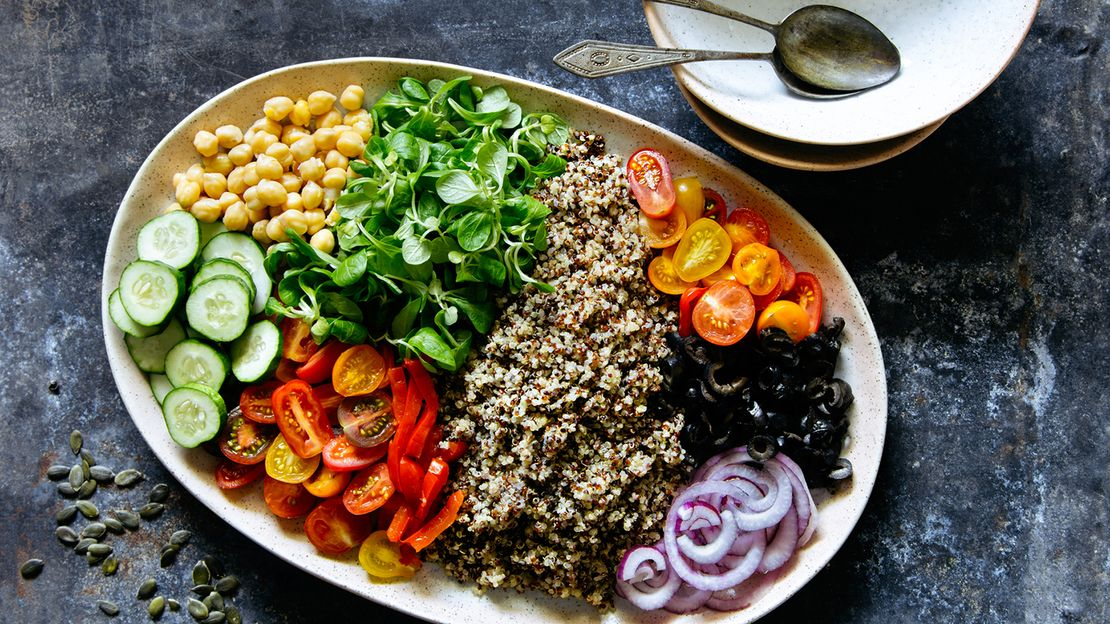
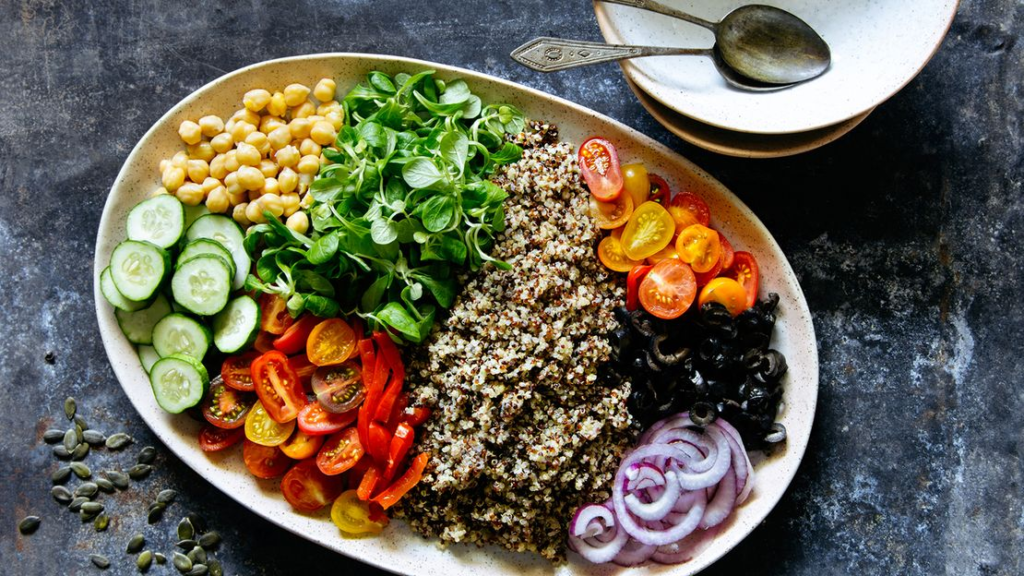
The Mediterranean diet is a plant-based eating approach.Pixel Stories/Stocksy
The Mediterranean diet — which gets its name from the traditional eating and cooking patterns of people in countries bordering the Mediterranean Sea — has long been studied for its heart health benefits. But research suggests this approach can also offer specific advantages for people living with type 2 diabetes. Among them: improved blood sugar, weight loss, and satisfying and flavorful ingredients.
New research on road cyclists sheds light on the importance of monitoring a training session load with the use of heart rate variability measuring tools, to favor assimilation and prevent injuries, and to compare training intensity with mood states the following morning.
The first large-scale study in which weight loss maintainers could self-identify what helped them succeed reveals some secrets of how people lose weight and keep it off: persevering despite setbacks; regularly looking back at what their life was like before the weight loss; and remaining focused on their health.